

10 min read
Disclosure: As an Amazon Associate and eBay Partner Network publisher, we earn from qualifying purchases. This doesn’t affect what we recommend or how we describe it.
Storage space in most cars is limited, with the average vehicle offering less than 16 cubic feet of trunk capacity. Car seat organizers can reclaim some of that lost space, keeping essentials like water bottles, tissues, and electronics within reach. The right organizer makes daily commutes, family trips, and rideshare driving less cluttered and more comfortable. But with dozens of designs—pocketed, hanging, bin-style, foldable—choosing the best fit for your car and habits means weighing size, material, installation, and safety details that aren’t always obvious from photos.
Pinpoint Your Main Use: What Are You Really Organizing?
Start by clarifying what you most need to store. Organizers for kids’ toys, snacks, and tablets look different from those designed for work commuters juggling paperwork and chargers. Some prioritize deep bins for groceries or sports gear, while others focus on slim pockets for small electronics and travel documents. Make a quick list of your top five items—are they drinks, books, wipes, or something else? This helps narrow the field before you get lost in endless feature lists.
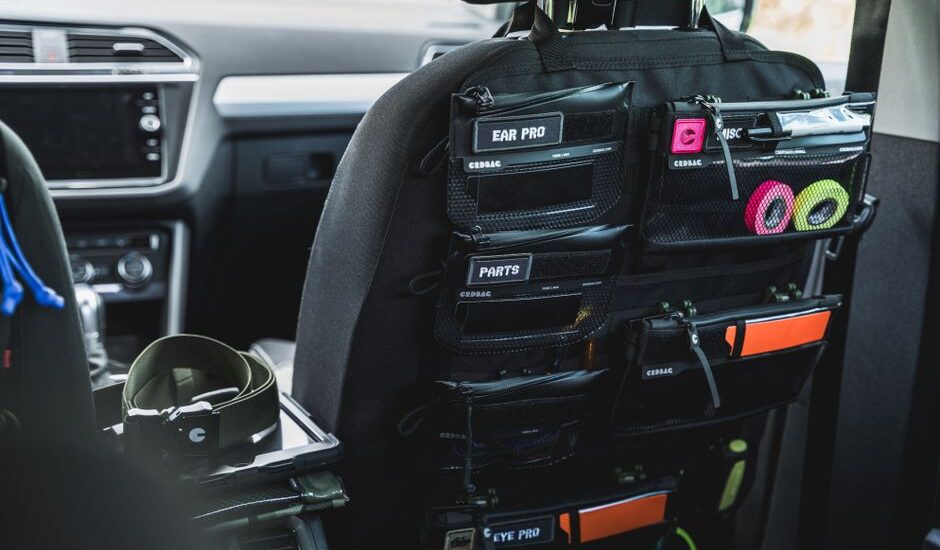
- For families with children: Look for backseat organizers with tablet holders (usually 9-12 inch capacity), insulated cup holders, and mesh pockets for quick access to wipes and snacks.
- For rideshare or taxi drivers: Choose organizers with clear document holders, multiple charging cord slots, and easy-to-clean surfaces.
- For commuters or road-trippers: Consider seat gap fillers or center console bins that can hold a 16-oz water bottle, sunglasses, and a notebook or tablet up to 11 inches.
Matching organizer style to your routine avoids wasted space and ensures everything has a logical place.
See How Popular Car Seat Organizer Types and Specs Stack Up
| Configuration | Best For | Capacity | Material | Dimensions (L x W x H) | Price |
|---|---|---|---|---|---|
Back-of-Seat Hanging Check price → |
Kids’ gear, tablets | 5-8 pockets | Polyester/nylon | 23″ x 17″ x 1″ | $ |
Front Seat Console Bin Check price → |
Commuter essentials | 6-10 liters | PU leather/fabric | 13″ x 10″ x 6″ | $$ |
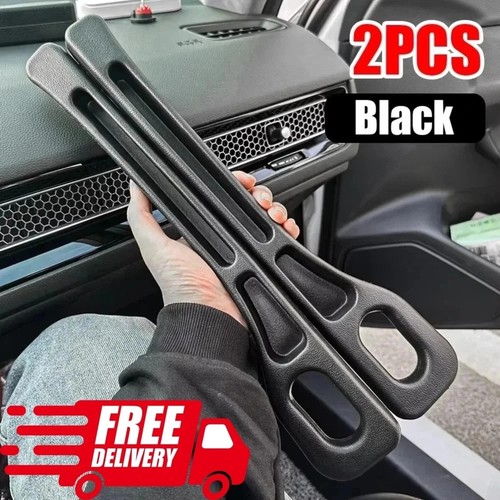
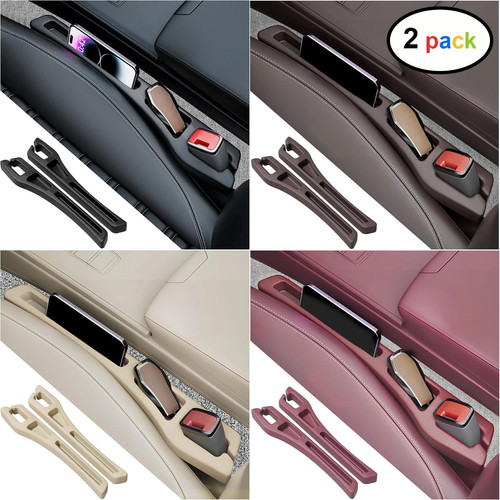
Seat Gap Filler Organizer Check price → |
Phones, keys, coins | 1-2 liters | ABS plastic | 10″ x 3″ x 6″ | $ |
Foldable Backseat Bin Check price → |
Groceries, sports gear | 20-30 liters | Oxford cloth/PE board | 21″ x 13″ x 12″ | $$$ |
Kick Mat Organizer Check price → |
Protecting seat backs | 3-5 pockets | Waterproof polyester | 24″ x 18″ x 0.5″ | $ |
Overhead Visor Pouch Check price → |
Documents, sunglasses | 2-4 pockets | Canvas/polyester | 12″ x 6″ x 1″ | $ |
Check Materials and Cleaning Requirements Before You Buy
Car seat organizers are made from a handful of common materials, each with trade-offs in durability and ease of cleaning:
- Polyester and nylon: These fabrics resist stains and are easy to wipe clean. Most organizers in this category weigh under 1.5 lbs and are machine washable, but double-check care labels.
- PU leather: Offers a sleek look, resists water, and is easy to wipe down. However, it can crack or peel after a year or two of sun exposure.
- ABS plastic: Used in seat gap fillers and some rigid bins. Holds shape, won’t absorb spills, but may rattle if not fitted tightly.
- Oxford cloth with PE board: Used in collapsible bins for heavier loads. Can support up to 30 lbs but may be bulkier when not in use.
Check for reinforced stitching, especially on pocket seams and handles. Organizers with double-stitched straps or bar-tack reinforcement (a visible zigzag at stress points) tend to last longer in high-use cars. For more on material standards in automotive accessories, see the Specialty Equipment Market Association.
Measure Your Car Before Ordering: Size and Fit Pitfalls
Organizer fit is not universal. Back-of-seat organizers typically measure 23″ x 17″, but some SUVs and trucks have wider or taller seats. Center console bins and seat gap fillers may not fit cars with extra-wide or unusually narrow gaps (less than 0.5″ or more than 2.5″).
- Check your seat width and distance between seats before buying any gap filler or bin-style organizer.
- For hanging organizers, confirm your headrest posts are adjustable and spaced between 5-7 inches apart.
- Foldable bins need a flat floor area of at least 21″ x 13″ to sit securely without sliding.
Some listings include only overall dimensions, not pocket sizes. If you want to store a 10.2-inch tablet or a 32-oz water bottle, look for pocket dimensions in the specs—or ask the seller for exact measurements. View what’s available to compare dimensions side by side.
Decide on Installation Style: Permanent vs Removable
Organizers come in both permanent and quick-release designs. Permanent options use screws, adhesive strips, or Velcro pads for a more secure fit—ideal if you rarely remove the organizer. Removable types use adjustable straps, clips, or simply wedge into place, making them easy to move between vehicles or remove for cleaning.
- Removable hanging organizers are best for families who need to switch between cars or clean up after messy rides.
- Gap fillers and console bins with friction-fit designs can be swapped between vehicles in seconds, but may shift if not well-matched to your car’s seat gap size.
- Foldable bins often include non-slip rubber feet or Velcro tabs to stabilize them on the floor.
If you lease your car or frequently use rentals, stick with organizers that leave no marks or residue. For permanent installs, check that included hardware is compatible with your seat type and won’t interfere with airbags or seat adjustments. Check current prices on both removable and permanent styles.
Don’t Overlook Safety: What to Watch for in Car Seat Organizers
Safety should always be part of your decision. Avoid organizers that hang too low and could interfere with foot space or pedal operation. For front-seat use, ensure nothing blocks airbags or seatbelt access. Some organizers advertise “universal” fit but can actually block seatbelt buckles or vents in certain vehicles.
- Choose models with rounded corners and soft edges to reduce injury risk in sudden stops.
- Look for organizers with secure fastenings—adjustable straps or clips that hold tight even if the seat is moved.
- For kids, pick organizers with clear, touch-friendly tablet windows to prevent loose electronics in the backseat.
- Never overload bins or pockets—most are rated for 5-30 lbs, and exceeding this can cause straps to fail.
Always read your vehicle’s manual for warnings about aftermarket accessories and check that your chosen organizer does not violate any warranty or safety recommendations. For more on safe car accessory installation, see AAA’s automotive advice.
See today’s dealsRelated Guides
- A Practical Guide to Choosing the Right Car Seat Organizer
- Our guide to Choosing the Right Anti-Theft Backpack: Features That Matter
- Our guide to Choosing the Right Silicone Spatula for Everyday Cooking
- Beach Umbrellas That Actually Work: A Practical Buyer’s Guide
- Cordless Drill Sets That Are Worth It: A Practical Buyer’s Guide
- Upright Vacuum Cleaners: A Practical Buyer’s Guide
Spot Problem Signs: Warning Flags in Car Seat Organizer Listings
- No stated dimensions: Listings without clear measurements often use generic images. This makes it hard to judge fit and usually means the seller hasn’t checked compatibility with real vehicles.
- Only one or two photos, all from the same angle: Limited imagery can hide poor construction quality or missing features like rear straps or reinforced seams.
- Materials listed as “plastic” or “fabric” with no further detail: Vague material descriptions may signal cheap, thin fabric that tears easily or brittle plastic that cracks in cold weather.
- Overly high pocket count (10+ pockets) with tiny overall size: This usually means pockets are too small to be useful—check pocket dimensions, not just total number.
- No installation instructions or compatibility notes: Absence of clear install guidance suggests a one-size-fits-all approach that rarely delivers a secure fit.
Spotting these red flags early can help you avoid returns and disappointment.
Plan for Passengers: Kids, Pets, and Adult Needs Differ
Consider who will use your car seat organizer most often—children, adults, or pets—as their needs vary greatly. Organizers for families with young children should prioritize easy-to-reach pockets for snacks, wipes, and toys, plus clear tablet holders for entertainment. Look for organizers with at least two large mesh pockets and a wipeable surface to handle spills. For adults, you may want slim compartments for documents, sunglasses, and charging cables, as well as a secure spot for water bottles or travel mugs (at least 3-inch diameter holders).
If you travel with pets, choose organizers that keep hazardous items out of reach and avoid dangling straps that could become chew toys or entanglement risks. Some pet owners opt for organizers with zippered pockets to store treats, leashes, or waste bags. Always check that the organizer’s placement doesn’t block pet restraints or create climbing hazards. By matching the organizer’s layout and features to your typical passengers, you maximize both safety and convenience for everyone in the car.
If you’re ready to tidy up your car, fast delivery can help you get organized before your next drive.
New Prime members can start with a free trial that includes fast, free delivery on eligible items.
Start a free Prime trialAffiliate link: we may earn a fee if you sign up, at no cost to you.
FAQs: What Everyday Shoppers Want to Know About Car Seat Organizers
How do I know if a car seat organizer will fit my vehicle?
Measure the width and height of your seat back or the gap between your seats. Most back-of-seat organizers fit seats at least 17 inches wide, but some larger SUVs and trucks may need wider options. Always compare your measurements to the product’s listed dimensions and check for adjustable straps.
Can a car seat organizer hold a 10-inch tablet securely?
Many organizers list a tablet pocket size—look for a clear window measuring at least 10.5 inches across. This will fit most standard tablets, but for larger devices, check the exact pocket measurements or contact the seller for clarification.
Which is better for family road trips: a hanging organizer or a foldable bin?
Hanging organizers are great for keeping snacks, wipes, and electronics accessible to kids in car seats. Foldable bins provide more space for bulkier items like sports gear or groceries, but may be harder for kids to reach. For trips where both accessibility and capacity are needed, using both types together is a practical solution.
How long do typical car seat organizers last with daily use?
Most fabric or PU leather organizers last 1-3 years with regular use, assuming you stay within the recommended weight limits and avoid overstuffing. Heavy-duty bins with reinforced seams and thicker materials may last longer—up to 5 years—but exposure to sun and spills can shorten their lifespan.
Are there return or warranty options for car seat organizers?
Many organizers offer 30- to 90-day return windows and limited warranties against defects. Check the seller’s return policy before buying, especially if you’re unsure about fit. Keep original packaging to make returns easier if needed.
Will a seat gap filler organizer work in any car?
Seat gap fillers are designed for gaps between 0.5 and 2.5 inches wide. In cars with wider gaps or built-in consoles, they may not fit securely and can slide out of place. Always measure your seat gap and check product specs before purchasing.
What’s the best way to clean a car seat organizer?
Most polyester and nylon organizers can be wiped down with a damp cloth. Some are machine washable—check the care label first. PU leather and plastic organizers should only be wiped clean to prevent damage from water or harsh chemicals.
Weigh Your Priorities and Make Your Choice
The right car seat organizer depends on your storage needs, car type, and how often you switch vehicles. Prioritize fit and material quality over the sheer number of pockets or features. Always check dimensions, installation style, and safety considerations before purchasing. Use the comparison table above to narrow your shortlist, and watch for warning signs in product listings to avoid disappointment. Compare options to find the best match for your next drive.


Last updated: November 2026 · Our editorial process
